

Key Players in the Vertical Transportation Industry
Top-Rated Elevator Service Companies in the USA: Who Keeps America Moving?
A building’s vertical transportation can grind to a halt unexpectedly, disrupting daily operations and tenant satisfaction. Elevator service companies USA provide essential maintenance, repair, and modernization to keep these systems running safely and efficiently. By partnering with a qualified provider, you gain reliable, expert support to address malfunctions and extend equipment lifespan. Simply contact a company for a service agreement tailored to your building’s specific elevator model and usage patterns.
Key Players in the Vertical Transportation Industry
The vertical transportation industry in the USA is anchored by major players like Otis, Schindler, KONE, and TK Elevator, which dominate new installations and modernization. These are complemented by independent service companies such as Metro Elevator and Legacy Elevator, which compete on flexible, local maintenance. Who drives innovation in the market? Smaller regional firms, like California’s Tower Elevator, often pioneer proprietary diagnostic tools that the big four later adopt, creating a dynamic push-pull between scale and agility.
Major National Providers Dominating the Market
Major national providers like Otis, Schindler, KONE, and TK Elevator dominate the U.S. market by offering unified maintenance fleets and direct OEM parts. These giants provide standardized service contracts and 24/7 dispatch for high-traffic buildings, but their scale often limits flexibility for smaller properties. Their comprehensive modernization programs retrofit older equipment with proprietary technology, ensuring seamless integration. This centralized control means a single point of accountability for multi-site portfolios.
Major national providers leverage OEM exclusivity and vast technician networks to command the vertical transportation landscape, prioritizing system uniformity over custom solutions.
Specialized Regional Operators with Local Expertise
Specialized Regional Operators with Local Expertise fill a critical niche among elevator service companies USA by offering deep familiarity with specific geographic territories. Their technicians possess intimate knowledge of local building codes, architectural styles, and prevalent equipment brands within a defined region. This proximity enables faster response times for emergency repairs and routine maintenance. A clear operational sequence is common:
- Initial on-site assessment leverages knowledge of the building’s specific model history.
- Maintenance schedules are aligned with local usage patterns and climate conditions.
- Repairs use parts sourced from regional suppliers known to the operator.
Their strength lies in providing hyper-localized accountability, as the service manager and technicians often live in the community they serve.
Independent Technicians Serving Niche Clients
Independent technicians serving niche clients fill a specific gap among elevator service companies USA, offering personalized attention that major providers often miss. These specialists excel with unique equipment, such as vintage hydraulic lifts or bespoke residential systems, by mastering older manufacturer schematics. Their process is precise:
- Assess the client’s exact machine model and its uncommon parts.
- Source or fabricate components from specialty suppliers.
- Perform a calibration tune using manual tools for optimal smoothness.
This hands-on approach guarantees customized elevator maintenance for boutique hotels or private estates, where standard contracts fail to address rare mechanical quirks.
Core Services Offered by Lift Maintenance Firms
Lift maintenance firms in the USA typically anchor their core services around preventative maintenance programs tailored to specific equipment brands and traffic loads. These scheduled visits include lubricating guide rails, checking governor tension, and verifying door lock circuits to prevent unexpected downtime. Beyond routine check-ups, these companies provide priority emergency call-out services for trapped passengers and motor failures, followed by comprehensive repair work for worn components like sheaves or controllers. Many firms also bundle in annual safety code inspections, testing overload devices, and fine-tuning ride quality to ensure compliance with operational standards. This integrated approach from a single elevator service company covers both proactive care and reactive breakdowns, keeping vertical transportation reliable and safe for daily building use.
Routine Inspections and Preventive Care Programs
Routine inspections form the backbone of preventive maintenance strategies offered by elevator service companies in the USA. Technicians conduct scheduled checks on cables, brakes, safety circuits, and door mechanisms to catch wear before it causes downtime. Preventive care programs include lubrication of moving parts, adjustment of controller settings, and testing of emergency communication systems. These visits typically occur monthly or quarterly, with documented checklists ensuring compliance with operational standards. By addressing minor component degradation early, property managers avoid sudden service interruptions and extend equipment lifespan, making these programs a practical choice for maintaining reliable vertical transportation.
Emergency Breakdown Response and Rapid Repairs
Emergency breakdown response from elevator service companies in the USA prioritizes rapid deployment of repair technicians to minimize passenger entrapments. Firms typically guarantee a 24/7 hotline, with response time commitments ranging from one to four hours for urgent calls. On arrival, technicians diagnose faults and perform rapid repairs using stocked parts like door sensors or motor controllers. This service directly resolves common stoppages, such as stuck cars or non-responsive buttons, without rescheduling. Effective operators maintain regional dispatch centers to ensure coverage across diverse building types.
Modernization and Retrofit Solutions for Aging Equipment

Lift maintenance firms extend equipment lifespan through targeted modernization packages for aging elevators. These retrofits replace core mechanical drives with energy-efficient AC systems, upgrade controllers for smoother leveling, and integrate digital safety sensors without requiring full cab reconstruction. Owners often reduce long-term repair costs by installing programmable logic controllers that predict component failure. This strategic replacement of fatigued parts with modern equivalents enhances ride quality and resale value. By focusing on hydraulic-to-motor upgrades or door operator improvements, these solutions make outdated lifts safer and more reliable under current traffic demands.
Choosing a Reliable Contractor for Your Building
When choosing a reliable contractor for your building, prioritize elevator service companies in the USA that demonstrate a proven track record with local commercial properties. Look for a partner who offers transparent, flat-rate maintenance agreements rather than vague time-and-materials contracts. Insist on references from buildings with similar usage patterns and building codes, as this confirms their regional expertise. A trustworthy company will also provide clear emergency response times and a dedicated account manager. Verify they have experience with your specific elevator model, whether hydraulic, traction, or machine-room-less. Beware of contractors who promise low upfront costs but cannot detail their preventive maintenance schedule. Ultimately, the right partner prioritizes minimal downtime and proactive communication, ensuring your building’s vertical transportation remains safe and reliable.
Verifying Licensing, Insurance, and Safety Certifications
Before hiring, demand proof of current licensing, as states like California and New York require specific elevator contractor credentials. Verify general liability and workers’ compensation insurance protects you from accident liability. Scrutinize safety certifications, particularly from organizations like ASME or NAESA, which indicate adherence to rigorous maintenance protocols. Matching these documents with the contractor’s business name ensures you are hiring a vetted, properly insured elevator service provider committed to compliance. This verification step is non-negotiable for peace of mind.
Always confirm a contractor’s licensing, insurance, and safety certifications in writing before any work begins, as this directly safeguards your property and legal liability.
Comparing Contract Types: Full-Service vs. Time-and-Materials
When selecting an elevator service partner in the USA, the primary decision is between a full-service contract and a time-and-materials (T&M) agreement. A full-service contract bundles all labor, parts, and emergency repairs into a single predictable monthly fee, ideal for owners seeking budget stability and minimal administrative oversight. In contrast, a T&M contract charges only for specific technician visits and replacement parts as needed, which can suit buildings with newer, low-maintenance equipment. However, T&M exposes owners to fluctuating costs for unexpected breakdowns. The core trade-off is cost predictability versus potential savings; the choice hinges on the elevator’s age and your tolerance for variable expenses. Avoid T&M for older systems, as frequent emergency charges can surpass a full-service premium. Comparing contract types directly impacts your annual maintenance budget and operational risk.
Full-service offers predictable, comprehensive coverage; time-and-materials provides flexible, pay-per-event pricing but carries cost risk from unforeseen repairs.
Evaluating Response Times and Customer Support Quality
When vetting an elevator service company, assess their average emergency response time by asking for documented call-to-arrival data rather than verbal promises. A reliable contractor should guarantee a specific window, often under one hour for urban areas, and offer 24/7 dispatch with a live operator. Customer support quality is revealed by how quickly they answer the phone during a mock after-hours call and whether they provide a single point of contact for your account. During initial interviews, request references and ask specifically about the firm’s responsiveness to recurring issues versus one-off breakdowns. Q: How can I verify a company’s response time claim before signing? A: Ask for a monthly performance log showing average response times for the past year, including both emergency and routine service calls.
Compliance and Regulatory Standards in the Sector
For elevator service companies in the USA, compliance and regulatory standards are baked into every repair and modernization. These firms must rigorously adhere to ASME A17.1/CSA B44, the national safety code governing elevator design and operation. Practical compliance means technicians verify that door interlocks, emergency brakes, and overload sensors meet the exact code specifications during each visit. When a building’s controller is outdated, the service contract ensures the system is upgraded to match current compliance and regulatory standards for fire-service operation and earthquake resistance. Failure to maintain these standards during routine maintenance can shut down an entire bank of elevators, directly impacting tenant safety and a property’s operational permit.
Adhering to ASME A17.1 and Local Code Requirements
Sticking to ASME A17.1 and local code requirements keeps your elevator running without surprise shutdowns. Service companies check these rules during every maintenance visit, ensuring your cab, doors, and safety brakes match the latest standards. They also align city-specific amendments with the national code to avoid fines. This dual focus means your ride stays smooth and legally sound.
- Technicians verify pit and hoistway clearances per ASME A17.1 during inspections.
- Local fire department codes may demand specific alarm or recall functions.
- Annual tests confirm load ratings match both national and municipal requirements.
ADA Accessibility Upgrades for Passenger Lifts
Elevator service companies in the USA perform ADA tactile and audible signal retrofits on passenger lifts, ensuring compliance through practical hardware upgrades. Technicians install Braille and raised character signage adjacent to all floor buttons, replace car position indicators with verbal annunciators, and adjust door reopening sensors to meet timing tolerances. Common upgrade tasks include:
- Replacing standard call buttons with raised, color-contrast models
- Retrofitting hall lanterns for audible and visual arrival signals
- Lowering control panel heights to accessible reach ranges
- Adding emergency two-way communication systems with visible text
Periodic Mandatory Inspections by Authorized Bodies
Authorized bodies conduct mandatory periodic inspections of elevator systems, which ensures compliance with local safety codes and operational integrity. These inspections occur at defined intervals—often annually or semi-annually—and involve load testing, emergency brake verification, and door-reopening sensor checks. Property managers must coordinate access with the inspection agency to avoid service disruptions. Failure to pass these statutory checks forces immediate shutdowns until corrective repairs are verified. The inspection certificate then dictates whether the elevator legally continues operation.
Periodic mandatory inspections by authorized bodies are non-negotiable, directly linking elevator functionality to regulatory approval and user safety.
Cost Factors and Pricing Models Explained
In elevating service companies across the USA, cost factors are driven primarily by equipment type, trip frequency, and part availability. Pricing models typically fall into two categories: a flat-rate monthly contract covering routine maintenance and two hours of labor for breakdowns, or a time-and-materials model where you pay for each service call plus parts at a marked-up rate. The flat-rate model offers budget predictability but often excludes major repairs; the T&M model can spike costs if your elevator is older or uses proprietary components.
Always verify whether the quoted price includes “open and close” labor for emergency visits—this single line item can double your annual spend.
Most companies in the USA also apply a geographic multiplier: urban areas command higher baseline fees due to travel time and parking costs for technicians.
Variables That Affect Monthly Maintenance Fees
Monthly maintenance fees are primarily shaped by the elevator’s age and type, with older hydraulic units often costing more than newer traction systems. The total number of stops and floors served directly influences pricing, as more complex routes require greater inspection time. A contract’s service tier—from basic oil and filter checks to full coverage—also sets the base cost. Geographic location affects technician travel expenses, while the frequency of required preventive visits is dictated by local usage patterns. The most significant variable is the comprehensive scope of coverage, which determines if parts and major repairs are included or billed separately, drastically altering the monthly rate.
Understanding Parts Markup and Labor Rates
Understanding how elevator service companies structure their charges requires parsing two core components. The parts markup on OEM components often ranges from 20% to 50% above distributor cost, reflecting warehousing and guaranteed availability for proprietary systems. Labor rates differ sharply between modern high-speed units and older hydraulic models, with flat-rate pricing applied for common repairs like door operator adjustments. You must always confirm whether travel time and diagnostic time are bundled into the hourly rate or billed separately. A clear breakdown prevents costly surprises when emergency service is needed.
- Parts markup percentages vary EKCNE by component rarity; common controller boards carry lower margins than obsolete hydraulic valves.
- Labor rates typically differ for standard business hours versus overtime or holiday emergency call-outs.
- Some contracts list a separate “truck charge” that covers parts delivery and tool transportation.
- Always request a written estimate that explicitly states the hourly rate and the parts multiplier before work begins.
Budgeting for Major Component Replacements
Budgeting for major component replacements demands foresight, as parts like motors, controllers, or hydraulics can cost thousands. Most elevator service companies in the USA recommend a sinking fund strategy, setting aside a fixed monthly amount to avoid sudden financial strain. It is far more cost-effective to schedule a control system upgrade during a planned maintenance window than after an emergency breakdown. Always request a multi-year capital expenditure forecast from your provider, ensuring you prioritize replacements before failure disrupts building operations.

Technology Trends Reshaping Modern Lift Systems
Elevator service companies USA are revolutionizing maintenance through predictive analytics, deploying IoT sensors that monitor motor vibration and door torque in real-time. This allows technicians to replace degrading components before failure, slashing emergency callouts. Remote diagnostic tools now enable a single engineer to troubleshoot hundreds of elevators from a tablet, dispatching only when a physical repair is confirmed. Simultaneously, destination dispatch algorithms are being retrofitted into existing buildings, reducing passenger wait times by over 30%. Modern service contracts increasingly bundle these digital upgrades, offering tenants faster, more reliable vertical transportation without requiring a full cab replacement.
Smart Sensors for Predictive Maintenance Alerts
Smart sensors continuously monitor component vibration, temperature, and door cycle counts, feeding data to cloud-based algorithms that predict failures before they occur. This enables elevator service companies to deploy technicians with exact replacement parts, slashing unplanned downtime. By isolating specific door operator wear patterns or motor bearing degradation, alerts prioritize genuinely urgent faults over routine noise. The result is a shift from reactive repairs to condition-based maintenance scheduling, ensuring higher availability and extended equipment lifespan for commercial buildings.
IoT-Connected Controllers Tracking Performance Data
IoT-connected controllers now track real-time performance data from every trip, letting service companies spot a slowing door or odd vibration before it becomes a breakdown. This data flows into a dashboard, helping techs prioritize fixes and tune elevator response times without a site visit. For building managers, real-time performance tracking means fewer surprise outages and more predictable maintenance scheduling. The controllers even log motor temperature and load patterns, giving crews a clear picture of component wear. All this telemetry keeps elevators running smoothly with less downtime.
IoT-connected controllers deliver live performance data, enabling proactive fixes and smoother daily operation.

Destination Dispatch Software for Traffic Optimization
Destination dispatch software revolutionizes traffic optimization by grouping passengers with similar floors into shared cabs, slashing wait times by up to 30% in high-rise buildings. Service companies in the USA retrofit these systems to replace traditional up/down buttons, using algorithmic scheduling that learns usage patterns and redistributes cars dynamically during peak hours. This reduces congestion and energy waste while maximizing a building’s vertical throughput. Predictive car allocation ensures no empty trips—every ride serves a booked destination, making elevator service more intuitive and efficient for users.
Destination dispatch software optimizes elevator traffic by clustering passengers by floor, using real-time algorithms to cut wait times and energy use, delivering a seamless, intelligent ride experience.
Common Pitfalls When Hiring a Maintenance Provider
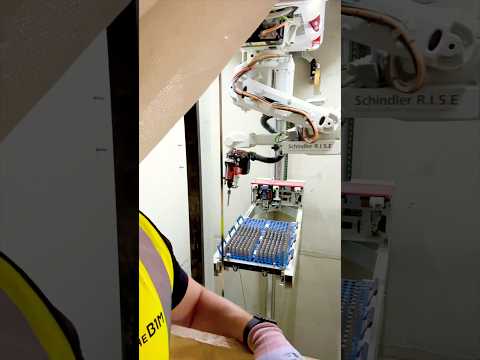
One major pitfall when hiring a maintenance provider is choosing an elevator service company solely on the lowest bid, which often results in subpar response times and costly emergency repairs. Many property managers overlook the need for a detailed scope of work, leading to disputes about which parts or labor are covered. Another common mistake is failing to verify the provider’s availability for urban and rural USA locations, causing prolonged downtime when a specialist is scarce. To avoid these issues, demand transparent contracts that specify preventative maintenance schedules and guaranteed dispatch windows, ensuring your building avoids the operational headaches that come from an unreliable partner.
Hidden Fees in Fine Print Contracts
When hiring an elevator service company in the USA, contracts often bury hidden fine print contract fees that inflate monthly costs. These charges may appear as mandatory “dispatch surcharges” for emergency callouts, per-trip service fees beyond the base rate, or markups on replacement parts not covered in the standard agreement. Review the entire document for vague terms like “additional labor charges” or “mobilization fees” that trigger on minor adjustments. Always demand a fully itemized price schedule before signing.
- Non-optional “emergency response fees” added to each call-out
- Per-visit charges for adjustments considered standard maintenance
- Markup percentages on parts not explicitly listed in the contract
- Annual escalator clauses hiding percentage-based fee increases
Inadequate Coverage for After-Hours Emergencies
Inadequate coverage for after-hours emergencies is a critical oversight when judging an elevator service provider. Many maintenance contracts limit on-call response to standard business hours, leaving tenants stranded in stalled cars late at night or on weekends. A technician arriving hours after a callout can transform a minor inconvenience into a costly building disruption. Property managers should verify that the provider guarantees 24/7 emergency dispatch with a promised maximum response window. Without this assurance, buildings risk prolonged downtime during off-peak periods, directly impacting occupant safety and operational flow. The contract’s fine print must explicitly list after-hours protocols and technician availability.
Overlooking Vendor Reputation and Client References
Choosing an elevator service company without vetting their reputation and client references is a costly oversight. A vendor may promise the lowest bid, but skipping client reference checks often exposes a history of delayed repairs or poor communication. One building manager might share how a provider ignored emergency calls for hours. To avoid this, request references from properties similar to yours—commercial or residential—and ask about response times and contract transparency. A firm with glowing referrals proves reliability, while silence from past clients signals risk. Trust verified reputations over sales pitches to secure consistent service.
Benefits of Outsourcing Lift Upkeep to Professionals
Outsourcing your lift upkeep to professional elevator service companies USA means you get reliable, hands-on expertise without the headache of managing an in-house team. These pros handle routine maintenance and unexpected repairs, keeping your equipment running smoothly and safely. You avoid costly downtime and extend your elevator’s lifespan, as certified technicians know exactly what to look for. Plus, regular lift maintenance from a dedicated service company removes the guesswork from budgeting, giving you predictable costs and peace of mind. It’s a smart, hassle-free way to keep your building moving every day.
Extending Equipment Lifespan Through Expert Care
By outsourcing lift upkeep, you get proactive component preservation that stops small wear from becoming costly breakdowns. Professionals use predictive lubrication schedules tailored to your elevator’s usage patterns, which dramatically reduces friction on cables and bearings. Their routine adjustments catch misalignments early, preventing uneven strain on the motor and guide rails. This expert care means your equipment avoids the accelerated aging caused by overlooked maintenance, keeping your system reliable years longer than untended units.
Reducing Liability Risks with Certified Technicians
When you hire certified technicians from elevator service companies, you directly slash liability risks tied to faulty upkeep. These pros carry verified training, meaning each inspection and repair follows strict safety protocols. Without their credentials, a simple misstep like misaligned cables could lead to lawsuits or injuries. Negligence claims vanish because certified work meets manufacturer specs, shielding you from blame. You avoid costly accidents and legal headaches—just smooth, insured maintenance from start to finish.
Certified technicians handle the risky parts of elevator upkeep, so you don’t have to worry about getting sued or facing unsafe equipment.
Enhancing Tenant and Visitor Satisfaction
When you outsource lift upkeep to professional elevator service companies USA, tenants and visitors experience noticeably fewer delays and smoother rides, directly boosting their daily satisfaction. Reliable, quiet operation eliminates the frustration of unexpected breakdowns or disruptive maintenance noise. Modern, well-maintained lifts also project a polished image, reassuring occupants that the building is professionally managed. This consistent performance encourages longer leases from tenants and positive word-of-mouth from visitors, turning functional transit into a competitive advantage for your property.
